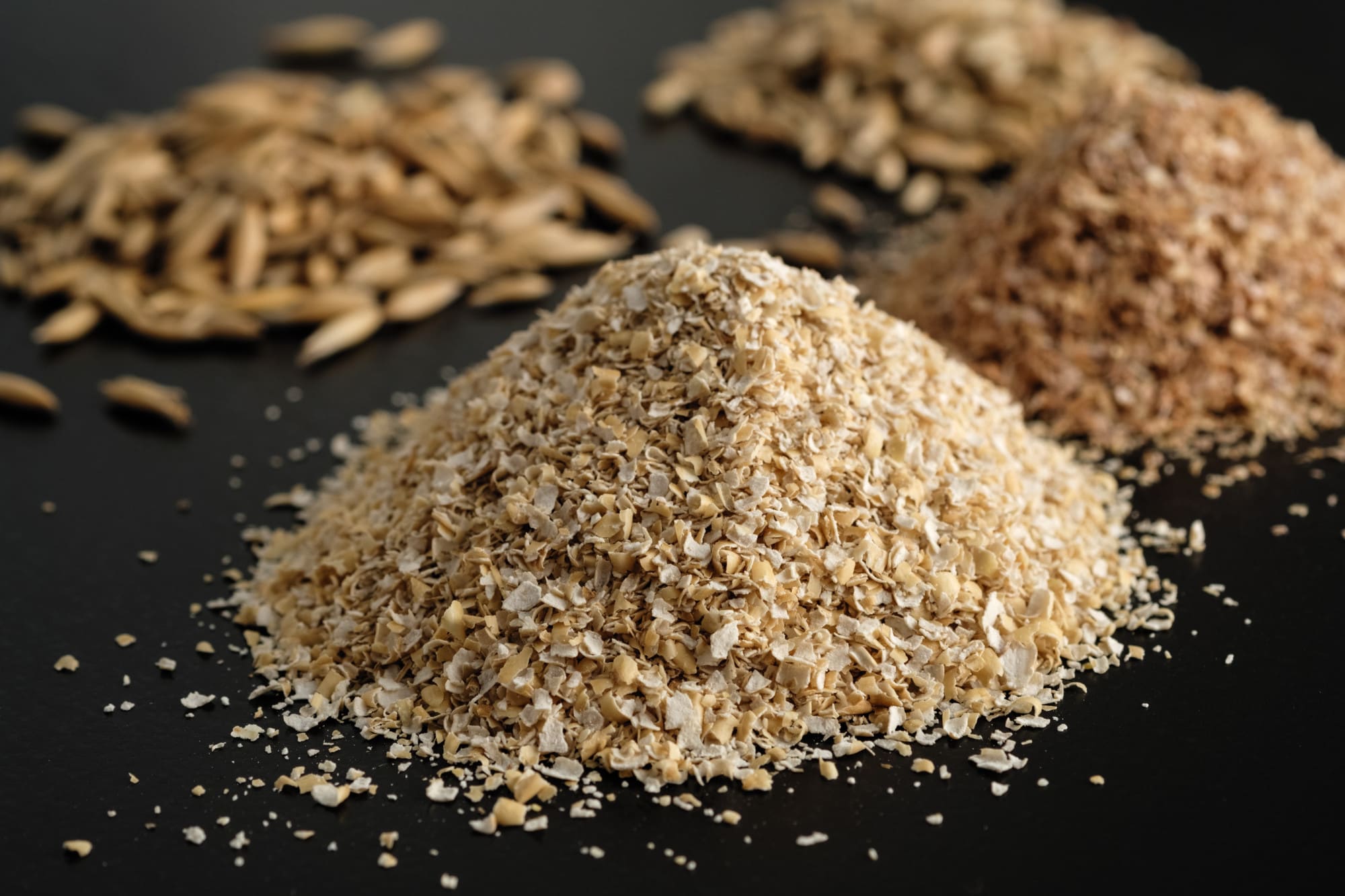
When a flour mill grinds grain, around one fifth of the raw material is converted into a by-product — bran. For a long time it was undervalued. Today the situation has changed: bran has become an independent commodity with high export potential. Russia, one of the world leaders in grain production, is steadily expanding its overseas supplies of this product every year.
There are several reasons why demand for Russian bran is growing: the development of livestock farming in Asia and the Middle East, the shift towards healthy eating in Europe, and the competitive pricing of Russian products. For international buyers and investors, this opens up attractive opportunities for cooperation with producers from the world’s largest grain power.
The Global Bran Market: Volumes and Prospects for Exporters
The bran market is directly dependent on the flour-milling industry. The more grain a country processes, the more bran it can offer to buyers. Russia occupies a special place here — the processing of grain crops in the country is going full steam ahead, and bran export volumes are showing steady growth.
Taking the period from 2019 to 2023, exports increased by almost 1.7 times. In 2019, Russian producers shipped 956,000 tonnes abroad, and by 2023 the figure reached 1,649,000 tonnes. However, the pace has slowed somewhat: in 2023, the growth rate was approximately 0.7%. The reason is the introduction of temporary export duties linked to the rouble exchange rate. The weaker the national currency, the higher the duty rate.
This has not, however, stopped the growing interest from foreign buyers. Turkey is one of the key sales destinations. In 2025, revenue from bran exports to that country amounted to $322 million — the third-highest figure after wheat and sunflower oil in the structure of Russian agricultural exports to the Turkish market.
Another important event took place in November 2025: China officially opened its market to Russian wheat bran. Given the scale of the Chinese livestock sector, this could contribute to a significant increase in export volumes in the coming years.
Global trade in 2024 reached a record $33 trillion. The food and agricultural raw materials sector holds a notable share within it. On one hand, geopolitical instability creates certain difficulties. On the other hand, it also opens up new supply routes and generates demand for alternative suppliers. Russia is precisely such an alternative for many countries in Asia, Africa, and the Middle East.
Advantages of Russian Bran: Quality, Volume, and Variety
Russia is among the world’s largest grain producers. In 2024, the grain harvest amounted to approximately 126 million tonnes. Even with a decline compared to the record figures of 2022–2023, this is an enormous volume that guarantees stable bran production.
What does an international buyer get when choosing Russian products?
First, scale. Flour-milling enterprises operate in all grain-producing regions — from the Krasnodar Territory to the Altai. When grain is processed, approximately 20% of the raw material becomes bran. This means that the production potential amounts to millions of tonnes annually.
Second, variety. The Russian market offers several types of product: wheat bran — the most widespread and nutritious, containing a high level of protein and a minimum of fibre; rye bran — a traditional product for northern regions; oat, barley, and buckwheat bran — less common, but in demand in certain market segments. In terms of form, bran is divided into pelleted and loose (fluffy) varieties. Pelleted bran is more convenient for transportation and storage. Loose bran retains its natural texture and is better suited for certain types of animal feed.
Third, quality. The chemical composition of wheat bran includes approximately 15.5% protein, 3.2% fat, and 8.4% fibre. The product is rich in B vitamins, phosphorus, and potassium. Production is carried out in accordance with GOST 7169-2017, which guarantees compliance with standards. Incidentally, Russian bran is cheaper than European equivalents. This is explained by the low cost of the source material and the relatively low processing costs.
Areas of Application: From Compound Feed to Functional Nutrition
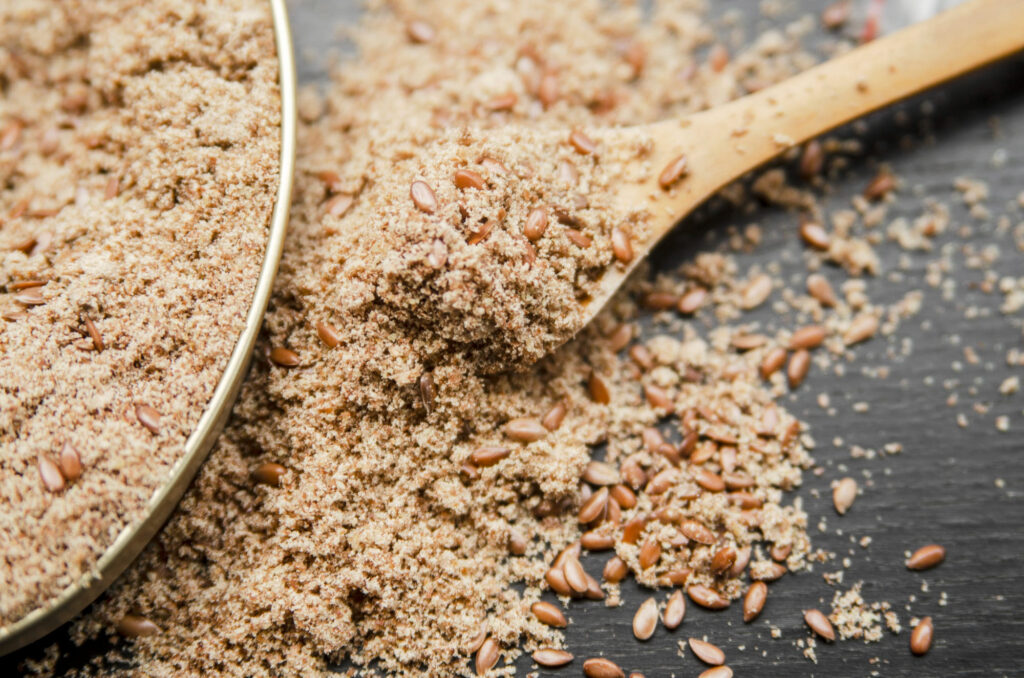
Bran is a by-product of flour milling, but to call it waste would be a mistake. It is a fully-fledged raw material with a wide range of applications. The two main areas of use are the feed sector and the food industry.
Feed for Farm Animals
The main consumer of bran is livestock farming. The protein contained in the product is almost entirely absorbed by the animal’s body. One kilogram of wheat bran contains approximately 0.72 feed units and around 112 grams of digestible protein.
Where exactly is bran used in livestock farming?
- Dairy cattle farming: cows are given up to 4–6 kg of bran per day. The product is especially beneficial after calving — it stimulates digestion and aids the recovery of the body.
- Horse breeding: for horses, including thoroughbred and sport horses, bran can account for up to 40–50% of the feed ration.
- Pig farming and poultry farming: here the share of bran in the ration is lower — up to 20–35% for pigs and approximately 25% for poultry.
In addition to direct feeding, bran is actively used in the production of compound feed. It is a basic component of many feed mixtures, including rations for replacement heifers, fattening young stock, and poultry.
The Food Industry and Healthy Nutrition
By the end of the 20th century, bran had returned to the human diet. Its value was reassessed — from «waste» it became a functional product. Today bran is included in whole-grain breakfast cereals, dietary bread, and baked goods. It contains dietary fibre that improves intestinal motility. The product is a source of essential fatty acids, B vitamins, and microelements. However, the main volume of production is still oriented towards feed purposes. By various estimates, the food sector accounts for no more than 10–15% of total output.
Production Geography: Key Supplier Regions
Bran production in Russia is concentrated where large flour-milling enterprises operate. And those, in turn, are located near the main grain-producing territories. The logic is simple: it is cheaper to transport finished flour and bran than raw grain.
Southern Federal District. The Krasnodar Territory is the absolute leader in the country’s grain harvest. In 2024, local farmers harvested around 13.5 million tonnes. The largest flour-milling combines are also located here, ensuring stable bran supplies to the domestic market and for export. The Rostov Oblast is in second place with a figure of 11.4 million tonnes.
North Caucasus Federal District. The Stavropol Territory rounds out the top three — 8.3 million tonnes of grain in 2024. The flour-milling industry here is equally actively developed.
Siberia and the Altai. The Altai Territory ranks fourth in the country for grain production — approximately 5.5 million tonnes. The region is known for high-quality wheat with a high protein content. The Novosibirsk and Omsk oblasts also contribute to the overall picture.
Central Russia. The Kursk, Voronezh, and Lipetsk oblasts are another grain-processing cluster. The Kursk Oblast entered the top five for grain harvests in 2024 with a result of more than 4.3 million tonnes. The proximity to the ports of the Sea of Azov and the Black Sea makes these regions convenient for export operations.
According to industry sources, manufacturing plants are located predominantly in the central part of Russia and in the south of the country. This provides a logistical advantage: the distance to the Black Sea ports, through which the main flow of exports passes, is between 300 and 800 km. The delivery time to the ports of Novorossiysk or Rostov-on-Don rarely exceeds two days by road transport.
The Largest Importers of Russian Bran
Where does Russian bran go? The geography of supplies covers dozens of countries, but several destinations stand out in particular.
Turkey — A Traditional Partner
Turkey remains one of the main buyers of Russian agricultural products. In 2025, revenue from bran exports to that country reached $322 million. Why is the Turkish market so important? The country is actively developing livestock farming and poultry farming. Domestic production of feed raw materials is insufficient, and Russian bran is cheaper than European equivalents. The short transport corridor across the Black Sea is a further argument in favour of supplies from Russia.
China — A New and Promising Market
On 3 November 2025, protocols on phytosanitary requirements were signed in Hangzhou within the framework of the 30th regular meeting of the heads of government of Russia and China.
China is the world’s largest consumer of animal feed. The number of pigs in the country runs into hundreds of millions, and the poultry industry is also developing rapidly. Due to a deficit of its own feed resources, China is forced to import enormous volumes of raw material. According to data from Chinese customs authorities, over the 9 months of 2025, China imported 2.3 million tonnes of wheat bran from foreign countries.
Russia and China signed a contract worth $25.8 billion in 2023 for the supply of 70 million tonnes of grain, legumes, and oilseed crops over 12 years. Bran is a promising addition to this trade flow.
CIS Countries and the Middle East
Kazakhstan, Azerbaijan, and Georgia are traditional sales destinations for Russian producers. Logistics here are simpler, and payment issues are resolved more quickly. Export volumes to these countries are stable. Iran and the countries of the Persian Gulf also show interest. The development of livestock farming in the region is driven by imported feed — almost no grain is grown locally.
Opportunities for Buyers and Investors

How can an international buyer find a reliable supplier of Russian bran? There are several options.
Direct Contact with Producers
Large flour-milling combines work directly with foreign traders. Minimum lots usually start from 20–100 tonnes. Payment is by advance payment or letter of credit. Documentary support includes veterinary certificates, quality certificates, and phytosanitary documents. The difficulty is that not all enterprises have experience with export operations. The language barrier, differences in document management standards, and currency settlement issues can all become obstacles.
B2B Platforms
An alternative route is the G2R platform. The platform acts as an intermediary: it helps find a supplier, arranges negotiations, and accompanies the transaction. For the buyer, this reduces risks and saves time. The platform features verified producers with a confirmed reputation. Catalogues contain product descriptions, prices, and delivery terms. Communication is conducted in several languages using a built-in AI translator, including English and Chinese.
Investment Opportunities
The grain-processing sector in Russia is showing steady growth. An increase in the capacity of flour-milling enterprises automatically leads to growth in bran production. For investors, this may be an interesting direction — especially given the expansion of export markets. Possible formats of participation: long-term supply contracts with fixed volumes, joint ventures with Russian producers, investment in logistics infrastructure — warehouses, terminals, transport.
Development Prospects for Russian Bran Exports
What does the market hold in the coming years?
Growth Factors
The opening of the Chinese market in November 2025 is the main driver on the 2026–2028 horizon. Even if at the first stage the volumes of bran supplies to China turn out to be modest, the potential runs into hundreds of thousands of tonnes. The development of livestock farming in Asian and African countries is also contributing to an increase in demand. The populations of these regions are growing, meat consumption is rising too. Accordingly, more feed is needed. Another factor is the trend towards healthy eating. Food-grade bran is becoming increasingly popular in Europe and North America. While this segment is still small, it is growing at 5–7% per year.
Constraining Factors
Export duties remain a problem. The restrictions introduced in 2023, linked to the rouble exchange rate, make supplies less predictable. Producers are forced to build additional risks into the price. Logistical difficulties are another obstacle. Sanctions pressure complicates settlements with certain countries. Bank transfers take longer than before. However, the market is adapting: settlements in national currencies and alternative payment channels are gradually solving this problem.
Forecast for 2026–2028
According to industry analyst estimates, the volume of bran exports from Russia could grow by 15–20% by 2028. The key conditions are the stabilisation of duty policy and a successful entry into the Chinese market. The structure of exports is likely to change. The share of Turkey may decline somewhat, while the share of China and Southeast Asian countries will grow. This is a normal process of diversification of sales channels.
Conclusion
Russian bran is not simply a by-product of grain processing. It is a fully-fledged export commodity with growing demand on global markets. The country possesses all the resources needed to increase supplies: vast sown areas, a developed flour-milling industry, and a favourable geographical position.
For international buyers, cooperation with Russian producers opens up access to quality products at a competitive price. For investors — an opportunity to participate in a growing sector with a clear economic rationale.
The market is at a turning point. The opening of China, stable demand from Turkey and the CIS countries, interest from the Middle East — all of this is creating a favourable environment for the development of exports. It only remains to take advantage of these opportunities.
To find a verified bran supplier in Russia and the CIS countries, submit your enquiry in the relevant listing on the G2R platform.